

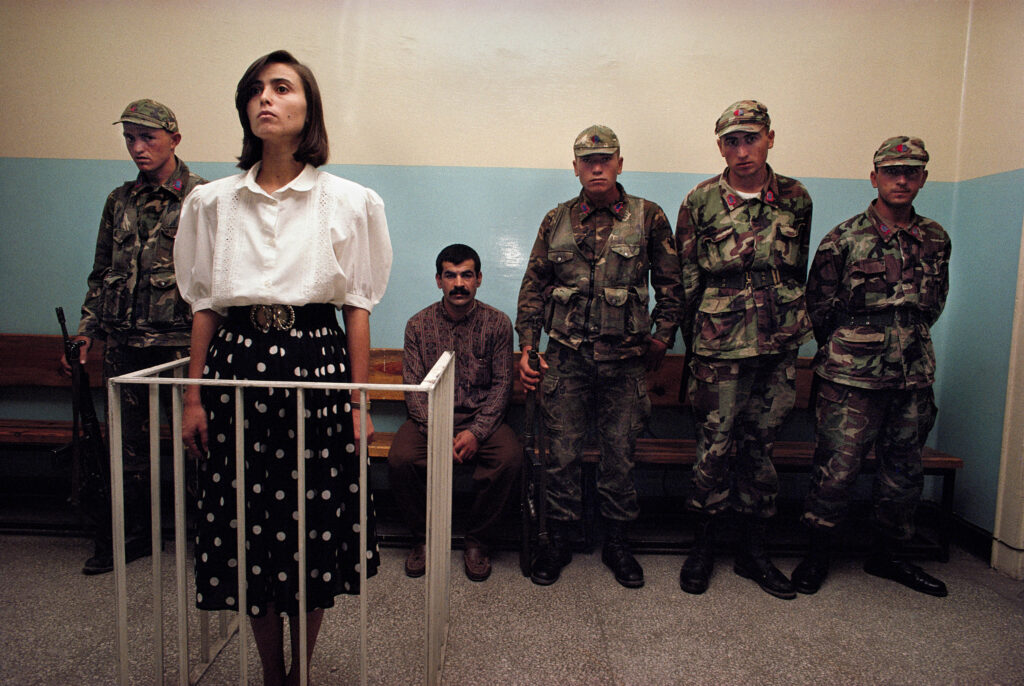
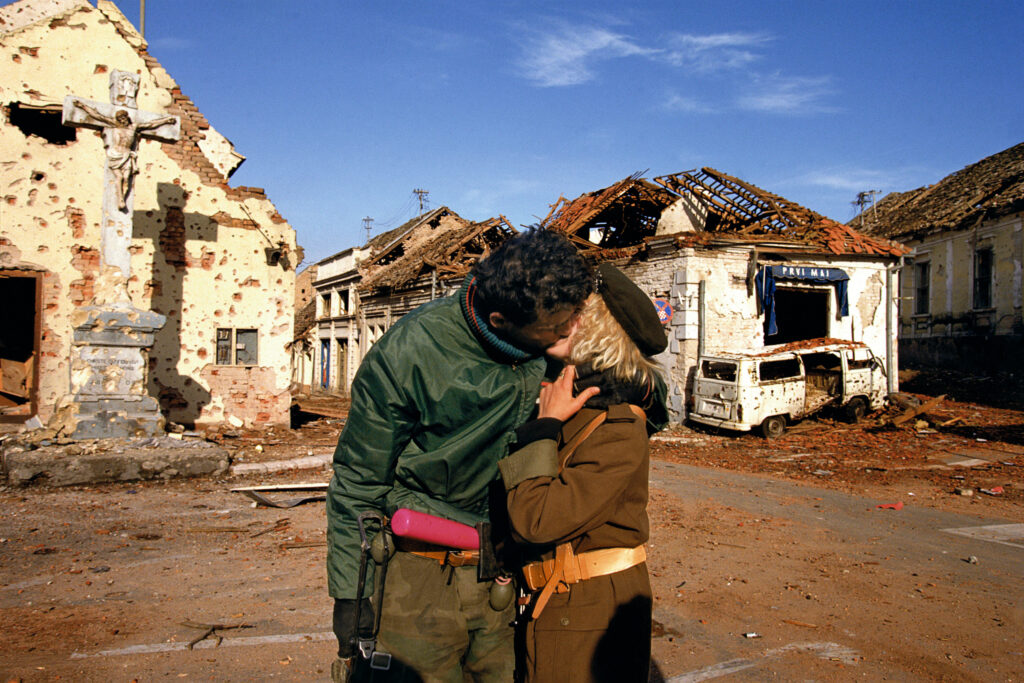
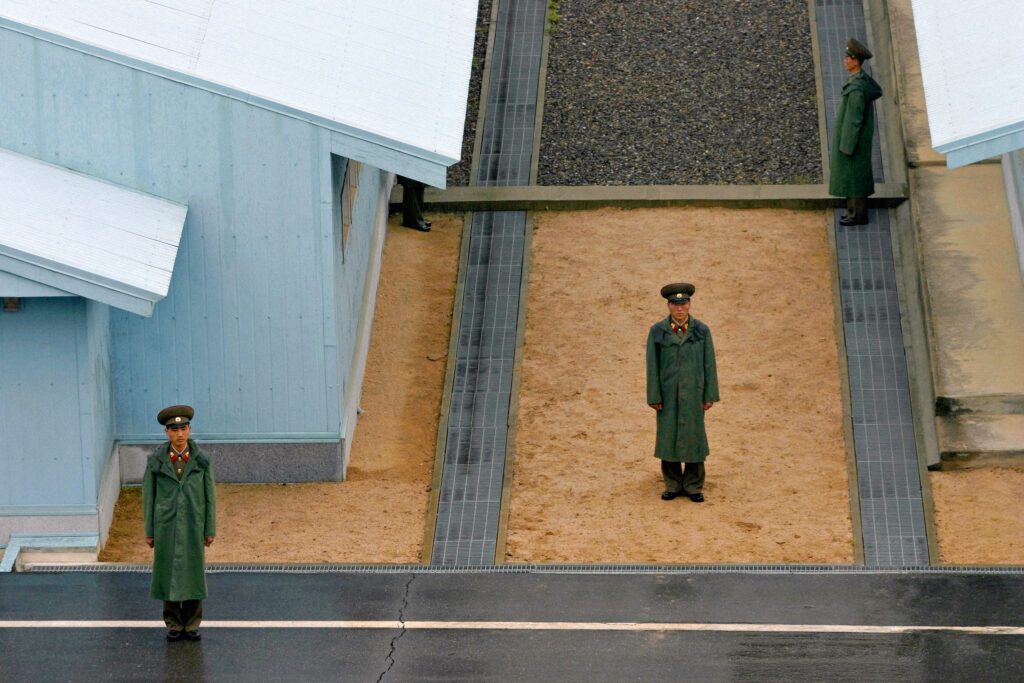


Sometimes, the most powerful stories are told without words. Through the lens of brave photographers and photojournalists, who have the ability to make distant struggles feel immediate and personal, our exhibitions offer an unfiltered glimpse into lives often overlooked and show how visual storytelling can influence and inspire action.
At the Edge of Understanding
This exhibition questions photojournalism not as definitive proof, but as an act that carries consequences. It confronts viewers with a central question: what does it mean to look at a journalistic photograph today? What do we ask of images, and what are we willing to return in terms of attention and presence? The exhibition is curated by Marco Savarese, founder and editor-in-chief of Eyeshot, with the curatorial texts developed by Lucrezia Bonarota, Eyeshot’s Editorial Director.
On Looking, Not Consuming
Each image is presented as a point of pause rather than a passage, asking not to be consumed quickly but to be inhabited. The categories accompanying the photographs do not explain the images, nor do they translate them into concepts. Instead, they define the field of tension in whichthe images exist. The exhibition invites viewers to linger, to retrace their steps, and to connect photographs that are distant in context yet close in ethical posture.
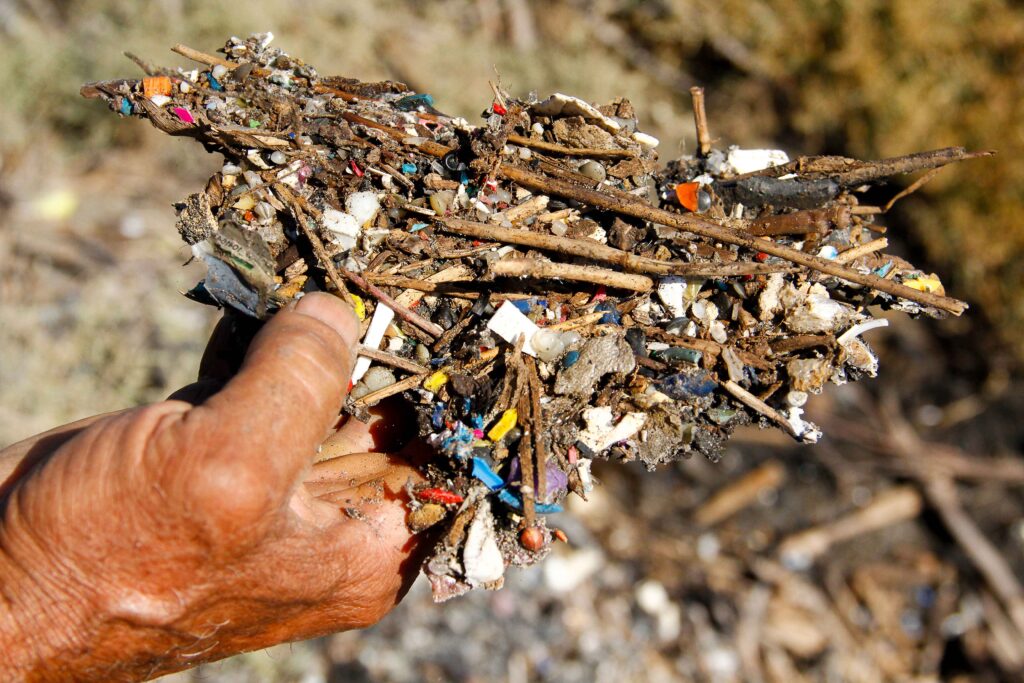
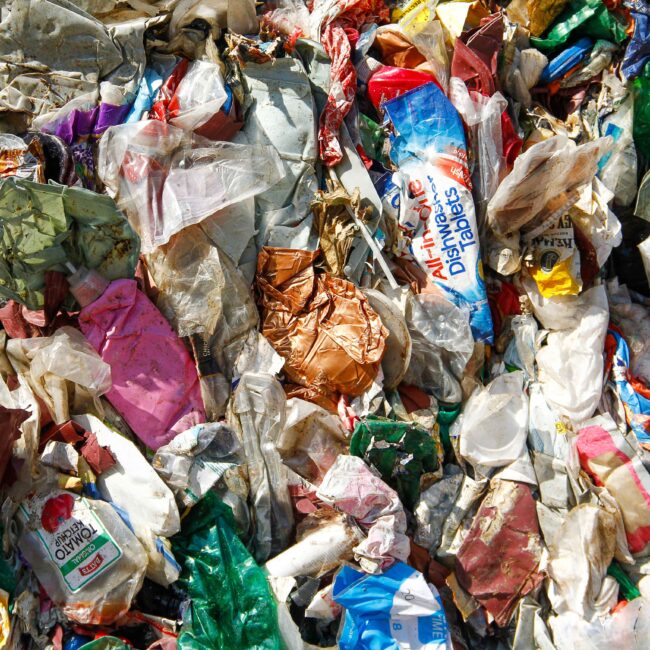
Plastic Waste from the U.K. and the E.U. Is Littering the Turkish Mediterranean Coast
Since China banned waste imports in 2018, Türkiye has become a major destination for plastic waste from the EU and the U.K. A cross-border investigation by Guia Baggi and Utku Kuran, supported by Journalismfund Europe, documents severe pollution in Adana, where foreign packaging and plastic fragments litter wetlands, and illegal burning and dumping is frequent along the Seyhan River.
The project shows how weak law enforcement on both sides of the trade allows non-recyclable waste to enter a country where it pollutes coastal wetlands, threatens marine life, and endangers communities at the intersection of agriculture, water, and waste.
We drop new updates daily, so keep an eye on the schedule to catch all the news.
We use cookies to help personalise content and provide a better experience. By clicking Accept all, you agree to this, as outlined in our Cookie Policy. To change preferences or withdraw consent, please update your Cookie Preferences.