


Voices Awards
Voices annually awards a number of grants to young journalists and media freedom advocates, enabling them to participate in the festival’s upcoming edition.
The Awards have a broad focus across seven categories, recognising outstanding achievements in various journalistic formats (Radio, Video, Digital, Cartoons and Comics, and Photojournalism) as well as in Media Literacy and International Best Practices.
2026 Awardees
Radio & Podcast Journalism
Alexander Damiano Ricci
Divergente – Bagabaga Studios
Divergente won for País de Incendiários, an investigative podcast reframing wildfires in Portugal as a matter of public policy and democratic accountability. The project combines rigorous investigation with original sound design, illustrations used to protect the anonymity of sources, and interactive data visualisations of how and where fires start. The jury highlighted its strong methodology, ethical safeguards, multidisciplinary innovation and its ability to broaden representation by amplifying rural voices often absent from mainstream narratives.
The Europeans
The Europeans, an independent franco-british media outlet, wins for the mini-series Who Does It Best, which explores the most effective public policies across Europe to encourage constructive policy learning. Blending informal cross-border chat formats with explanatory storytelling, the project makes European affairs accessible and engaging. The project makes complex current affairs accessible and enjoyable through a constructive, inclusive approach. The jury highlighted its unique business model (100% crowdfunded by listeners) and its ability to foster empathy among fellow Europeans by showing how policy shapes real lives. It stands out as a human-centered, cross-border chat show with high societal relevance.
Special Mentions
Azzurrra Meringolo
Azzurra Meringolo, RAI Middle East correspondent, also wins a special mention for her six-episode investigative podcast produced with Ilaria Sotis. The series examines incarceration as a mechanism of power and repression across the Mediterranean, covering enforced disappearances and political detention. The jury praised the immersive sound storytelling and the ability to bring listeners directly on-site. The project was lauded for its impactful, fact-based reporting that avoids reconstructions, using sophisticated scripts to create a vivid atmosphere and high public interest.
Milica Mihajlović & Markéta Kršková
In this category, we also have two special mentions to recognize two young journalism students whose work competed with seasoned professionals. Milica Mihajlović from Serbia produced a 12-episode series on youth activism, praised for its incredible use of social media footage and emotional resonance. Markéta Kršková from Czech Republic created an intimate auditory documentary about journalist-mothers and the work-family balance. The jury appreciated their ability to translate lived experiences into accessible audio formats, bringing meaningful representation to underrepresented voices through interactive storytelling and rigorous documentation despite their early career stage.
Press, Video & Documentary
Giorgio Michalopoulos
Giorgio Michalopoulos won for War Made Sustainable, an investigation into how green investment funds bankroll the arms industry with EU backing. The cross-border research combines economic expertise, documentary evidence and multiple sources to expose systemic greenwashing of public relevance. The jury praised its solid evidence-based methodology, multinational collaboration and the courage to tackle politically sensitive issues linking finance, sustainability and defence.
Simon Guichard
As part of a seven-journalist cross-border team, the project "Feeding europe, failing workers" was awarded for investigating how EU Common Agricultural Policy funds flow to farms with documented labour-rights violations against migrant workers. Published in 12 articles across five countries, the project relies on rigorous source collection and coordinated reporting. The jury highlighted its strong public-interest relevance, cross-border methodology and tangible policy impact, including presentations at the European Parliament and influenced a French legislative proposal.
The team is composed of
Simon Guichard
Meriem Mahdhi
Silvia Lazzaris
Eoghan Gilmartin
Franziska Schwarz
Jonas Seufert
Hélène Servel
Pascale Müller
Sergio Sangiao
The project Exporting Abortion wins for a massive investigation into abortion access and "abortion migration" in Europe, involving 13 journalists across 11 countries. The work discloses a reality plagued by a lack of public data despite heavy regulation. The jury praised the varied methodology, clear language, and human-centered approach. The project was particularly noted for its excellent data visualizations, making a complex, cross-border social issue understandable for a wide audience.
Paper Trail Media
Paper Trail Media wins for coordinating a multinational investigation (with Lighthouse Reports,The Center for Investigative Reporting, ZDF, Der Spiegel, Der Standard, Tamedia, Haaretz, Tempo, IrpiMedia, KRIK, Investigace.cz, Le Monde, and NRK) uncovering a global phone-tracking system used to surveil politicians, journalists and celebrities in over 160 countries. The research was lauded for its thoroughness and newsworthiness. The jury emphasized its fundamental role in raising awareness about corporate abuse of technology and mass surveillance. This multinational effort was recognized as essential for stimulating institutional accountability and securing digital environments against technological threats.
Special Mention
Pablo Jimenez Arandia
Pablo Jimenez Arandia received a special mention for a year-long investigation into the environmental impact of AI data centres in Spain, Chile and Mexico. Based on extensive public-record requests, technical documentation and cross-border collaboration, the project exposes water use, ecological damage and accountability gaps. The jury highlighted its strong evidence-based methodology, multimedia execution and clear public-interest relevance at the intersection of emerging technologies and environmental protection.
Digital Storytelling and Social Media
Mašina
Zsófia Fülöp
A European team composed of Róbert Báthory, Zsófia Fülöp, Ernő Kadét, Ronald Rodrigues, Mihail Mishev and Vittoria Torsello wins for a year-long cross-border investigation into the misuse of EU funding and structural discrimination against the Roma community in Hungary. The project utilizes diverse digital tools, including data visualization and "scrollitelling." The jury praised its robust investigative dimension and its focus on accountability. By engaging key stakeholders and NGOs, the work demonstrated a strong commitment to community-centered reporting and successfully highlighted systemic issues through a combination of data and human stories.
Gaby Khazalova
Gaby Khazalova wins for Housing Games, a project exploring housing affordability for essential workers (teachers, nurses, cleaners) in European cities. It offers the first data analysis of its kind, combined with real stories collected via the crowdsourcing tool ParticipAid. The jury appreciated the highly interactive data visualizations that allow users to compare their own housing situation with essential professions. The work was praised for raising awareness of a relevant crisis through bold, innovative storytelling and direct audience engagement.
Novaya Gazeta Europe
Novaya Gazeta Europe represents a resilient bastion of independent journalism, now operating from Riga after the Russian government suspended its domestic operations in 2022. The outlet carries a heavy legacy: seven of its journalists, including Anna Politkovskaya and Yuri Shchekochikhin, have been murdered since 2000 in connection with their investigations. In 2021, Editor-in-Chief Dmitry Muratov was awarded the Nobel Peace Prize for his defense of free expression. The Jury praised this "newsroom in exile" for its courageous investigative rigor and dynamic storytelling, proving that high-impact journalism can be sustained even under extreme censorship and physical threat.
Applicant: Daria Ermolaeva
Daria Kudrina accepting the prize
Cartoons
Carl Smith
‘The Demons in AI’s Data’, written by Carl Smith and illustrated by Ingrid Lee showcase the hidden dangers of bias in how foundational AI technology is being built and the reluctance of technology companies to appropriately address these problems. The jury praised the strength of this serialised fictionalised narrative to help high school students (12-18) understand how biases are creeping into the very foundations of AI systems. Accompanied by Lee’s graphic traits, the story unfolds along an interactive journey where the readers are constantly encouraged to question themselves.
Michele Calamaio
This compelling investigative work, written by journalists Lorenzo Di Stasi and Michele Calamaio and illustrated by Ariel Vittori, examines how Italy’s legal and cultural framework systematically denies people with disabilities the right to sexual self-determination. The jury praised the project’s excellence in combining first-person testimony, data-driven reporting, and policy analysis to expose a public-interest issue that remains largely invisible in mainstream media.
Elisa Belotti
The graphic reportage written by Elisa Belotti and illustrated by Chiara Onofri explores how Catholic religious education works inside Italian public schools, and what this system means both for teachers and for students who do not attend religion classes. The jury recognised the ability to combine investigative journalism with graphic storytelling to enter a space that is usually invisible to the public: the everyday life of classrooms. This work highlights how legal and informal constraints can limit teachers’ voices, and how entire groups of students can remain excluded from quality instruction. By visualizing classrooms, corridors, improvised spaces, and moments of tension or care, the comic brings public debate into concrete, lived environments.
Trik Nologi
By using razor-sharp graphic imagery, Nologi cuts straight to the heart of the matter and strips news, subjects and people down to the bone. His work is balanced on a self-created line between cartoon and graphic design with a preference for pop- and street art. The jury recognised the artist’s ability in 'sampling' iconic images, and transforming them into incisived cartoons and illustrations.
Special Mention
Melissa Chan
The jury grants a special mention to YOU MUST TAKE PART IN REVOLUTION, co-authored with American activist Melissa Chan and the artist Badiucao. It is about a future fascist US at war with a techno-authoritarian China. The authors wanted to create a work that would contribute to the global public debate on the meaning of resistance, freedom, and democracy, in a way that would appeal to Gen Z and Gen Alpha — while also retaining value to older adults. The jury concludes that they have successfully achieved this goal.
Photojournalism
Scars of Ogoniland
Lorenzo Bagnoli, Davide Lemmi, Marco Simoncelli, and Giulio Rubino win for Scars of Ogoniland, a deep-dive investigative project by IrpiMedia and FADA Collective. The work documents the enduring environmental and social devastation caused by the oil industry in Nigeria, framing Ogoniland as a "laboratory" that reveals the human cost of the Global North’s energy transition. The Jury praised the project for its ability to transform a complex geopolitical issue into a stark visual narrative of corporate interests versus human rights.
Pasha Kritchko
Pasha Kritchko wins for his intimate and haunting documentation of Belarus in the wake of the 2020 protests and the subsequent era of state repression. His work captures the scale of a crisis that has seen more than 35,000 people detained, exposing the reality of beatings, humiliation, and torture used to control the population. Through his lens, Kritchko preserves the memory of national unity and hope, capturing the disillusionment and resilience of a people whose voices the regime has systematically sought to erase and restrict.
Armin Durgut
Armin Durgut is awarded for his poignant visual documentation of pivotal social and political shifts across Southeast Europe. Focusing on the 30th anniversary of the Srebrenica Genocide, the student protests in Serbia, and the Macedonia night club fire, Durgut’s work amplifies underrepresented voices to highlight the human impact of systemic failure. His imagery of Srebrenica serves as a loud call to remember a shameful page of European history, proving that the suffering of the past remains present and demands international responsibility through powerful, on-the-ground reporting.
Paloma Laudet
Paloma Laudet wins for her courageous and timely reporting from Goma, North Kivu, documenting the immediate human consequences of the city’s fall to M23 rebels in early 2025. Drawing on years of field experience in the Great Lakes region, Laudet employs a clear investigative approach to highlight the lives of ordinary people caught in a cycle of extreme violence that has lasted over thirty years. The project was lauded for its powerful storytelling and its commitment to documenting a population that seeks only peace, reminding us that in such conflicts, there are no winners.
Special Mention
Chiara Privitera
A special mention is granted to the reportage The Price of Peace, an investigative work produced in the Syunik region of Armenia following the 2023 Nagorno-Karabakh war. Published by Specchio of the Italian newspaper La Stampa, the project is developed through extensive field investigation in collaboration with local NGOs, and it provides a profound examination of geopolitical transformation through the stories of shepherds, widows, and displaced people. The jury lauded the project as an excellent blend of photography and storytelling, praising its civil, non-rhetorical approach to a crucial but underreported issue on the margins of Europe.
Media Literacy
Zmudri
The Slovak non-profit Zmudri wins for its mission to equip young people (ages 14–25) with critical thinking and media literacy skills. Their hybrid digital platform reaches thousands of students and teachers, tackling issues like AI deepfakes and propaganda. The jury praised the measurable impact of their work, verified by academic study, and their ability to translate complex societal issues into accessible language for Gen Z and Gen Alpha through modern social media formats.
Georgian National Communications Commission
The Georgian National Communications Commission (ComCom) wins for the "Media Literacy Olympiad," a nationwide initiative focusing on AI and disinformation in 2025. The project reached 35% of Georgian schools, with a strong focus on rural areas. It was recognized for its team-based approach, which encourages collaboration between students and teachers. The jury lauded the project’s sustainability and its ability to foster responsibility, accountability, and respect for diverse viewpoints through an annual, theme-based competitive format.
ESJ Lille
The French school of Lille wins for a life-sized immersive game that allows participants to step into the roles of investigative journalists. Teams must verify information, solve puzzles, and produce a newspaper front page to address issues like AI manipulation and source verification. The jury praised the unique, engaging concept that has already reached hundreds of participants. The project is recognized for successfully promoting journalistic ethics and media literacy in a fun, mobile format that emphasizes the value of press independence.
Idea Foundation
The Hungarian Idea Foundation wins for Infogrund, a comprehensive media literacy program that has trained over 300 teachers and 7,600 students since 2019. The initiative offers a blended training system, ready-to-use teaching packages, and an accredited curriculum. It is recognized for its systemic impact and sustainability, including a teacher network and a monthly newsletter. The project was praised for filling an educational gap with high-quality materials and fostering innovative implementation of news literacy in schools nationwide.
Lorenzo Natali Prize
International Consortium of Investigative Journalism
The ICIJ (International Consortium of Investigative Journalism) needs no introduction. They pioneered the practice of cross-border and mass collaboration in journalism, and their project Panama papers, back in 2016, won the Pulitzer price. They win the Lorenzo Natali Prize for work carried out in 2025, all of which focused on the most sensitive areas of the international crises we are experiencing: Damascus dossier, which carried out an in-depht investigaiton on Assad’s regime and its international connections; Coin laundry, which exposed the global financial flows behind money-laundering networks, and “China Targets”, on Beijing’s campaign to target regime critics overseas.
Want to
be among the winners?
The next call for the Voices Awards will be announced soon, stay tuned and don’t miss the latest updates.
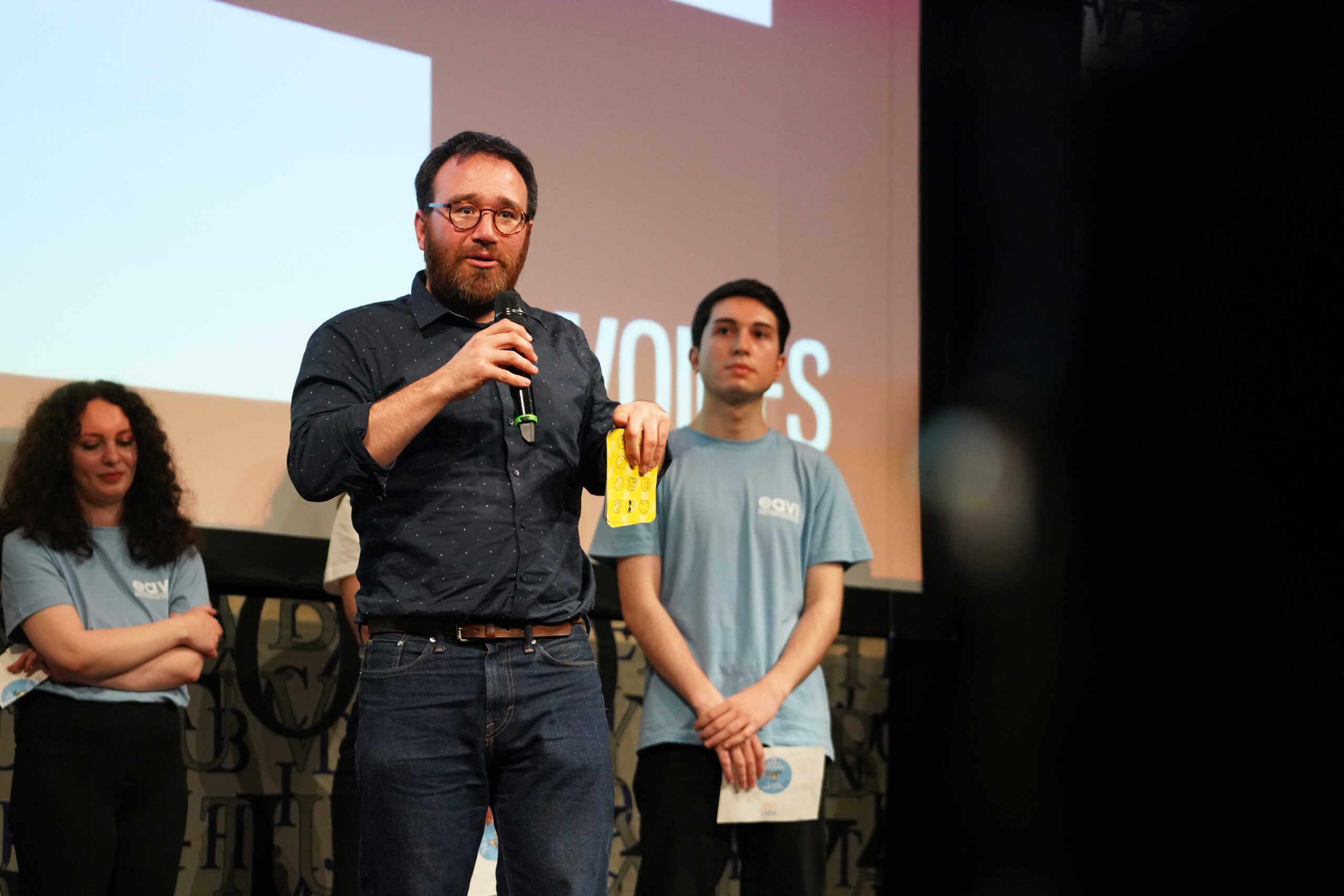
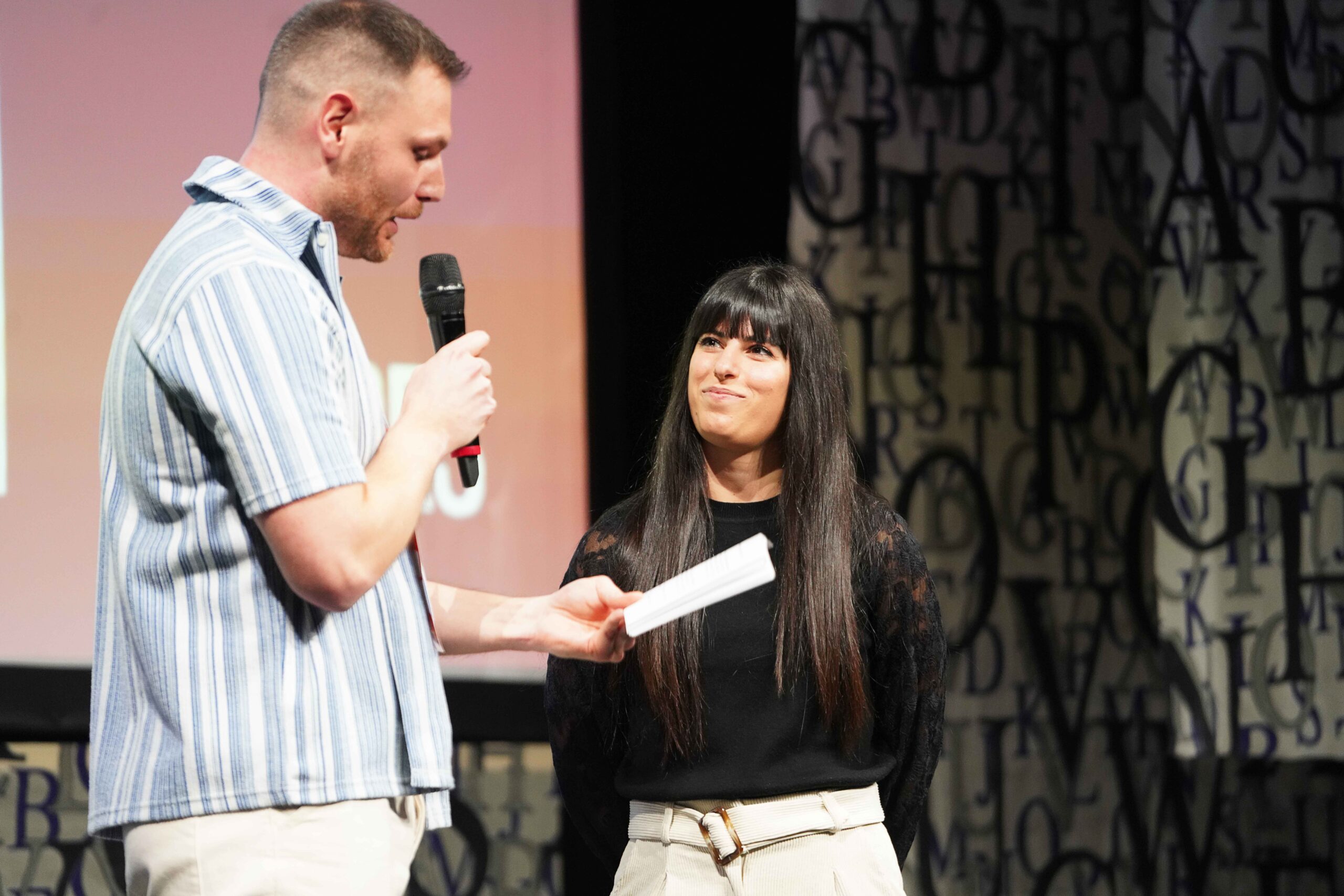
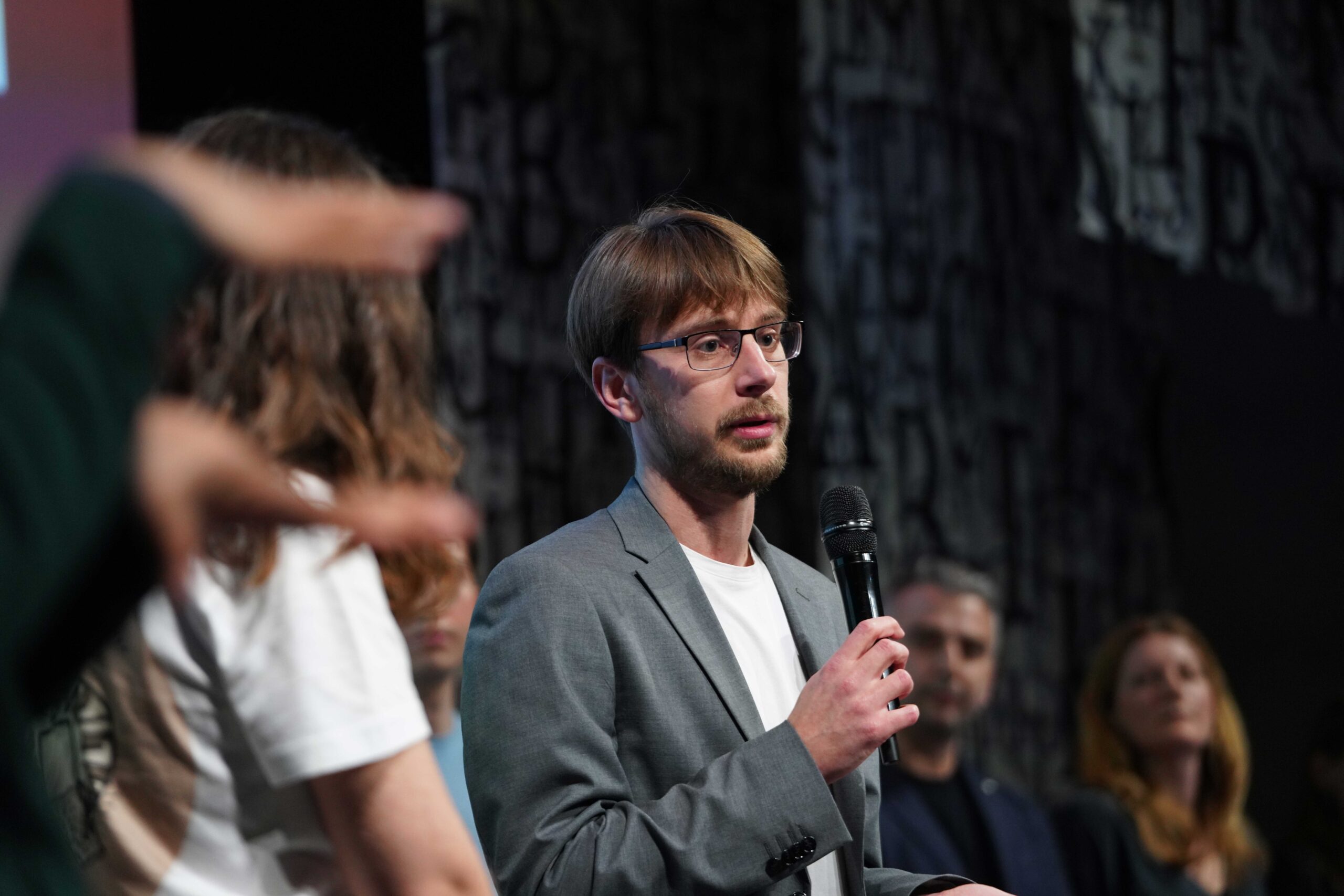
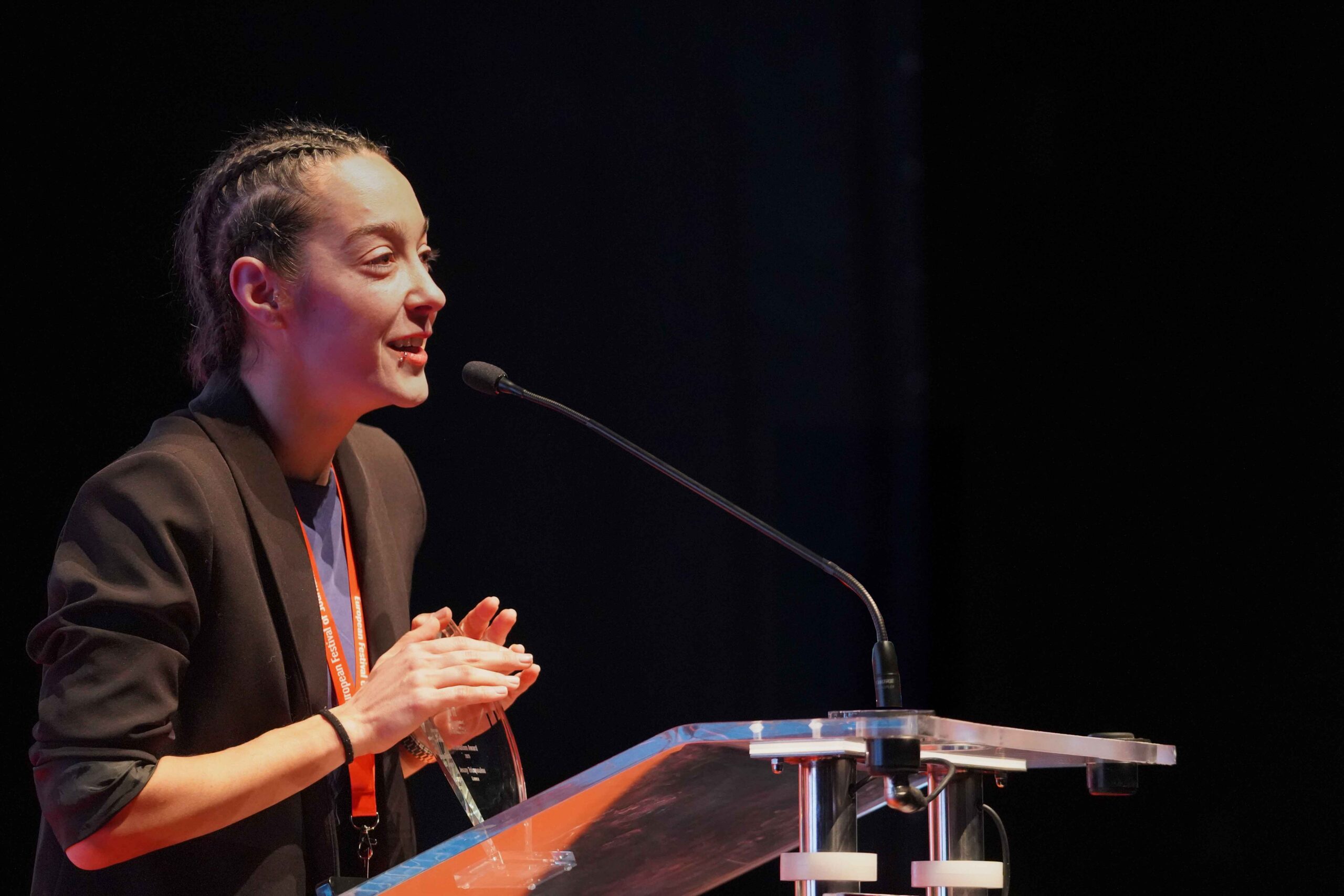
Meet the previous winners
The recipients of the Voices Awards 2025, with a focus on Journalism, were:
- Giacomo Zandonini (Italy), in the category 'Impact: Cross-border investigative reporting'
- Under the Surface project, in the category 'Impact: Cross-border investigative reporting'
- Liliana Carona (Portugal), in the category 'Local resilience'
- Ivana Milosavljević (Serbia), in the category 'Remarkable youth: Promising journalists under 30'
- Jenny Tsiropoulou (Greece), in the category 'Emerging talent'
The recipients of the Voices Awards 2024, with a focus on Journalism, were:
- Helena Rodríguez Gómez (main applicant, Spain), Benjamin Hindrichs and Sandra Abdelbaki in the category 'Impact'
- Laura Llach Gil and Lucia Riera in the category 'Impact'
- Vicky Hristova (Bulgaria) in the category 'Remarkable youth'
- Ilaria Potenza (Italy) in the category 'Remarkable youth'
- Anja Matic (Croatia) in the category 'Remarkable youth'
The recipients of the Voices Awards 2025, with a focus on Media Literacy, were:
- Antonin Atger (France), in the category 'Digital Wellbeing'
- Peace Journalism Laboratory, Aristotle University of Thessaloniki (Greece), in the category 'Digital Parenting & Generations'
- Safa Ghnaim (Germany), in the category 'Empowering Citizens' Engagement and Participation'
- François Laboulais (France), in the category 'Media Literacy Multipliers'
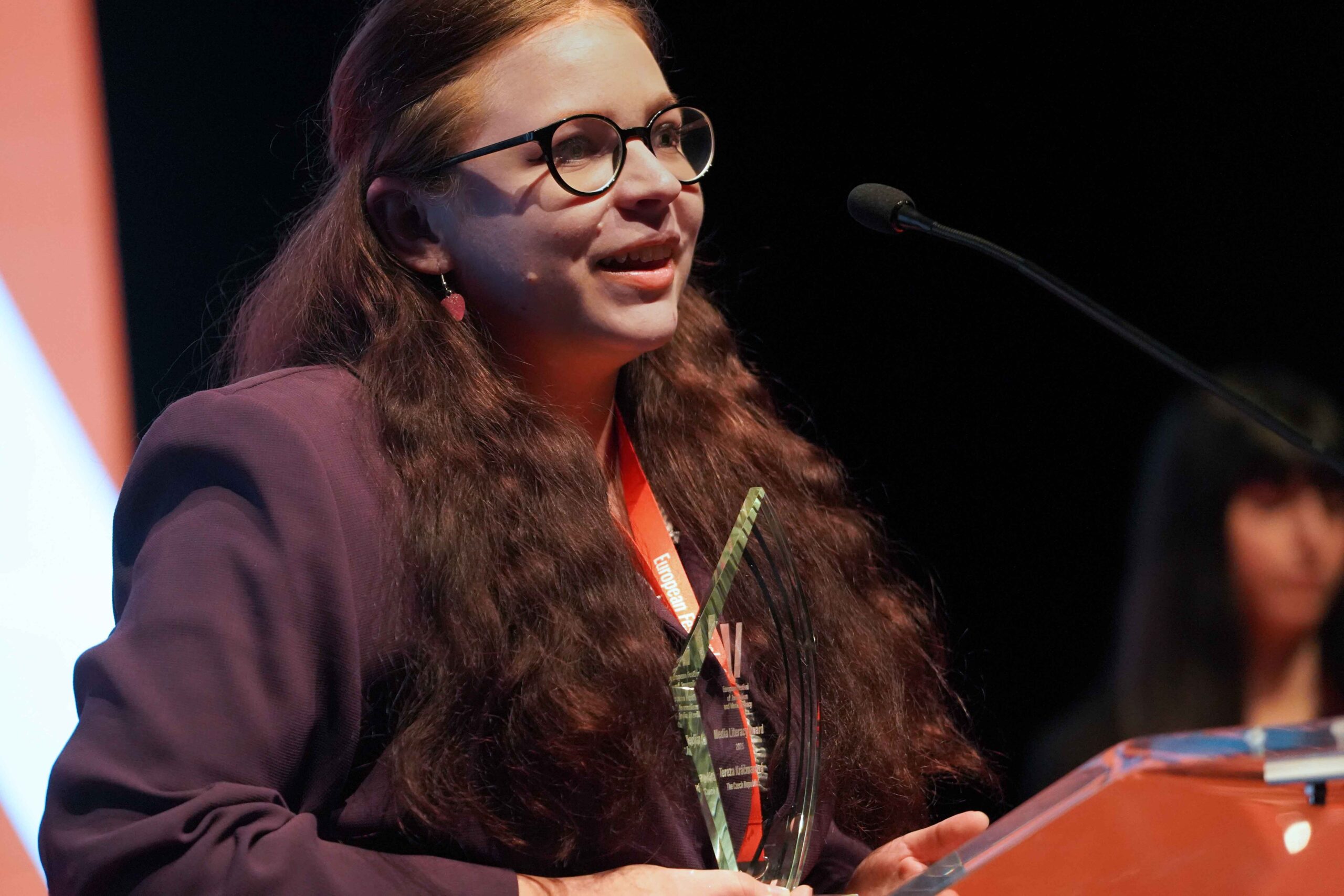
- Tereza Kráčmarová (Czech Republic) in the category 'Media Literacy Multipliers'
The recipients of the Voices Awards 2024, with a focus on Media Literacy, were:
- Nicola Bruno for the project 'Open the Box' (Italy) in the category 'Media Literacy Multipliers'
- Jenny Sköld and Lotta Bergseth for the project 'Voice4You' (Sweden) in the category 'Media Literacy Multipliers'
- Inger Klesment for the project 'Developing Media and Digital Literacies in Children Aged 5 to 10 through Play' (Estonia) in the category 'Digital Parenting & Generations'
- Bert Pieters for the project 'VIbe CHeck' (Belgium) in the category 'Digital Well-being'
- Thomas Prager for the project Bait Media (Austria) in the category 'Empowering Citizens Engagemernt and Participation'