

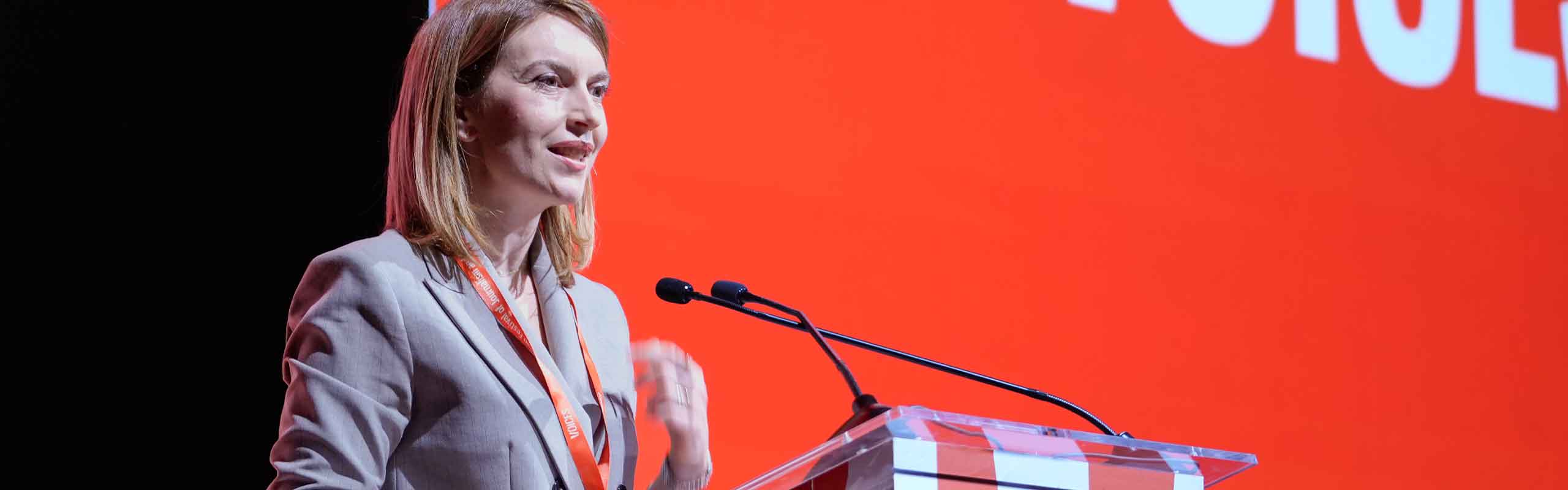
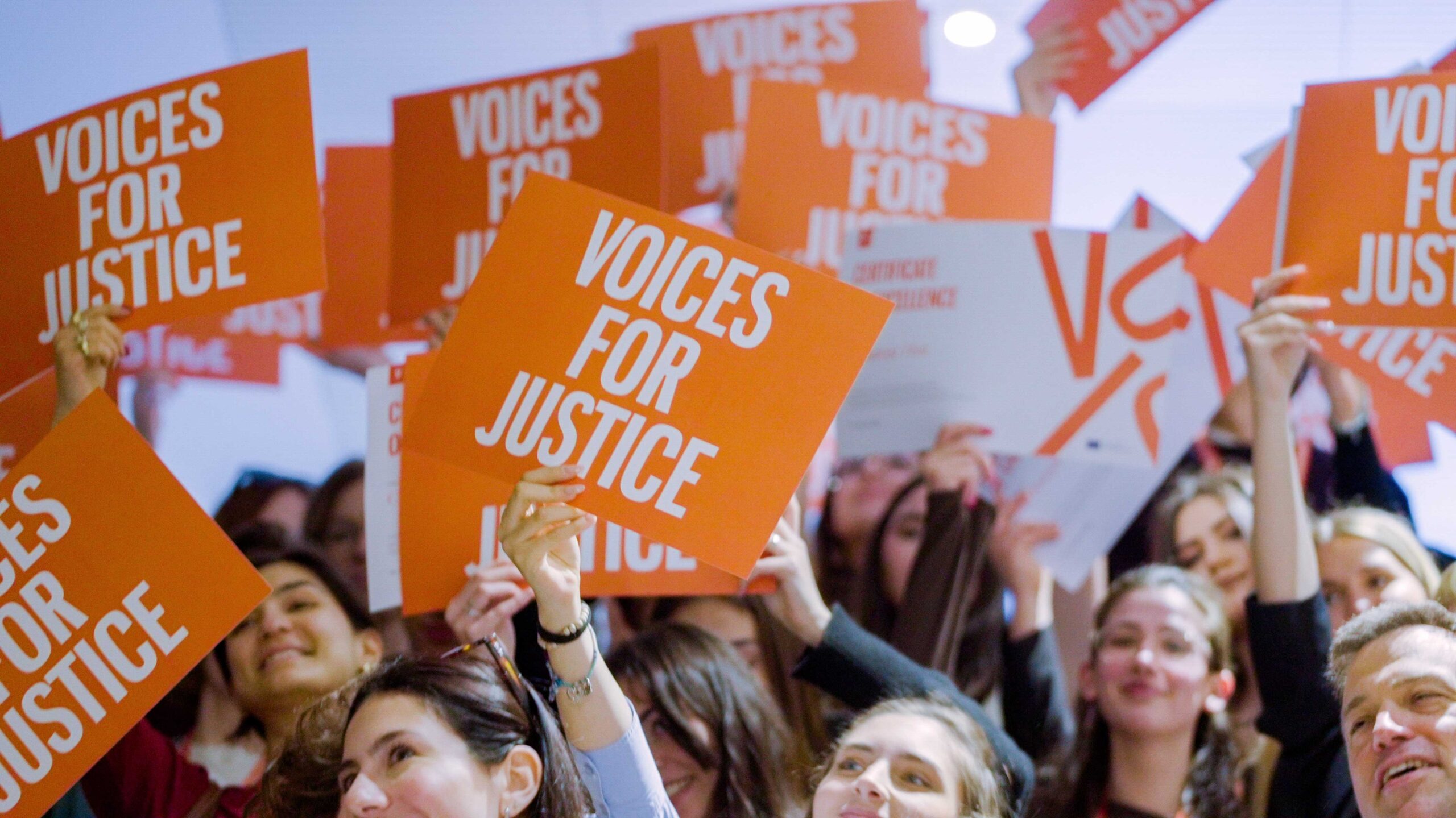

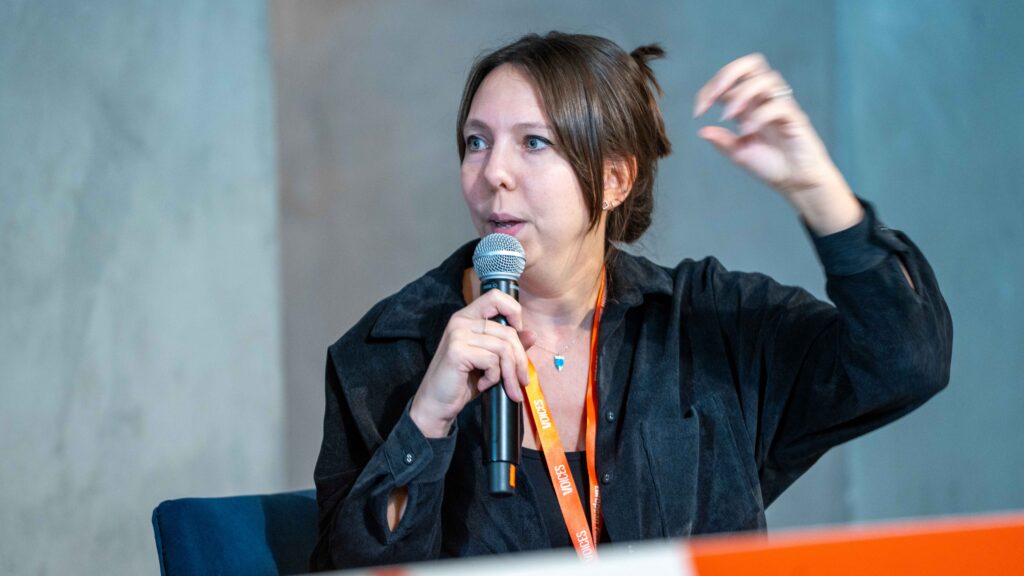
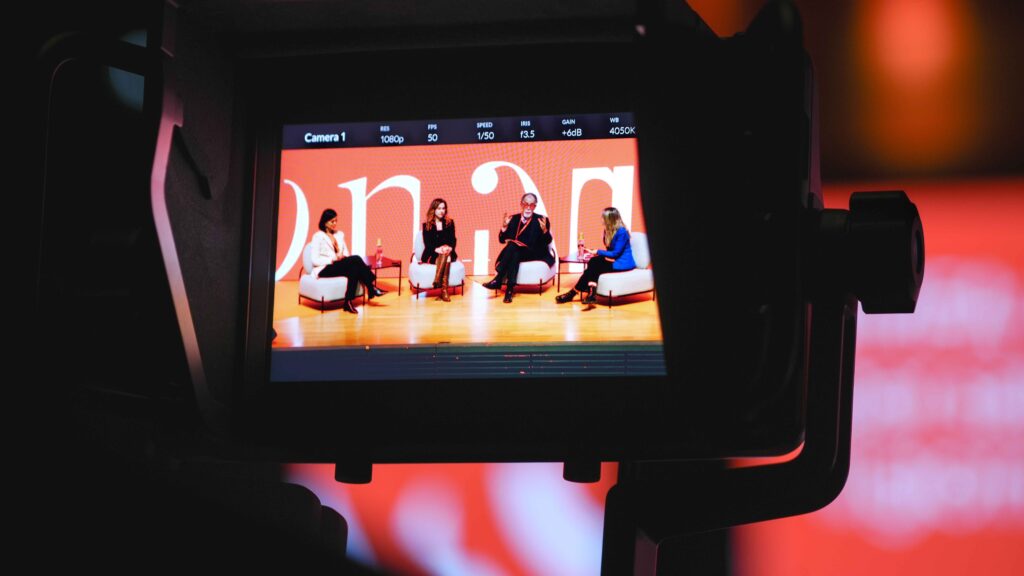
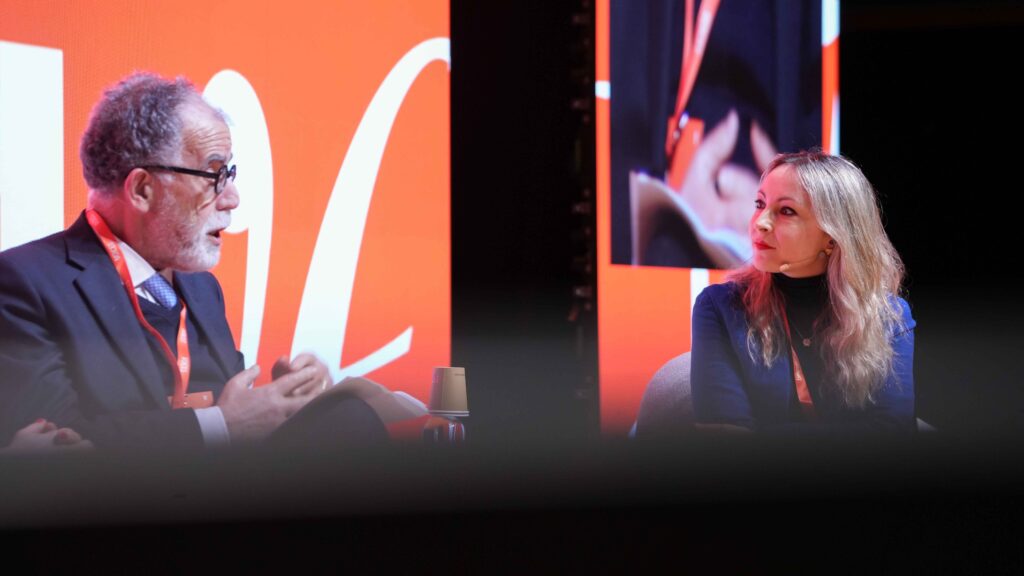
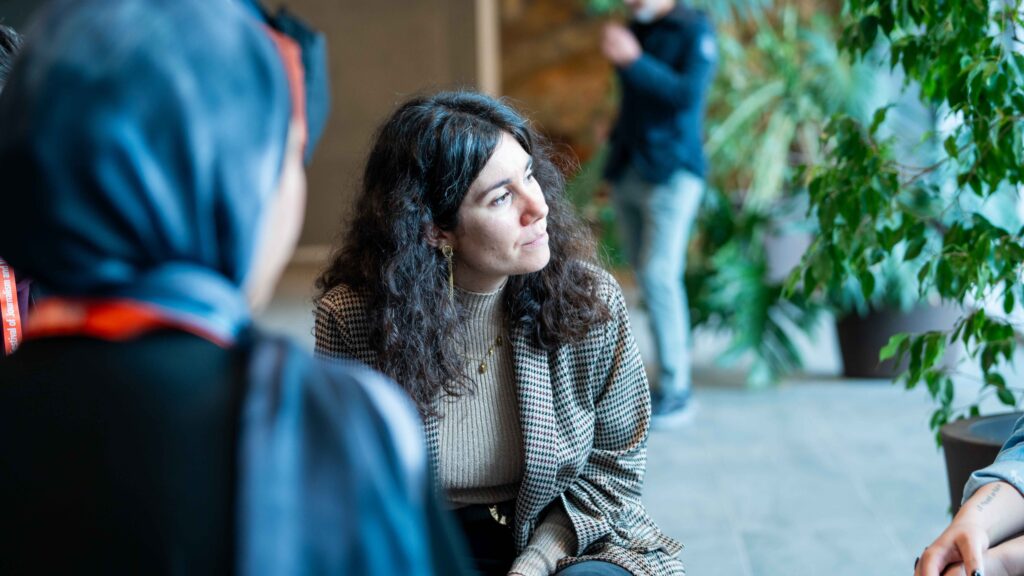













This edition moved beyond general discussions, engaging instead with the specific challenges that journalists and media practitioners face in their daily work, offering practical solutions and actionable insights. With over 90 speakers and 60 sessions, a wide range of perspectives was brought to the table. A major focus of this edition was the safety of journalists: what happens when their work is threatened? How can they defend themselves against retaliation, spyware and the risks associated with the profession? And what are the current policy frameworks in place to safeguard media freedom?
Together, participants explored the biggest challenges facing the media, built practical skills through workshops, and celebrated new voices at the Speakers’ Corner.
This edition reinforced a shared belief that supporting free media tackling disinformation, and supporting media literacy requires a collective effort. Zagreb marked a powerful step in building this community across Europe, creating connections that will last long after the festival ended. The work continues and will develop at the next edition in Thessaloniki and beyond.
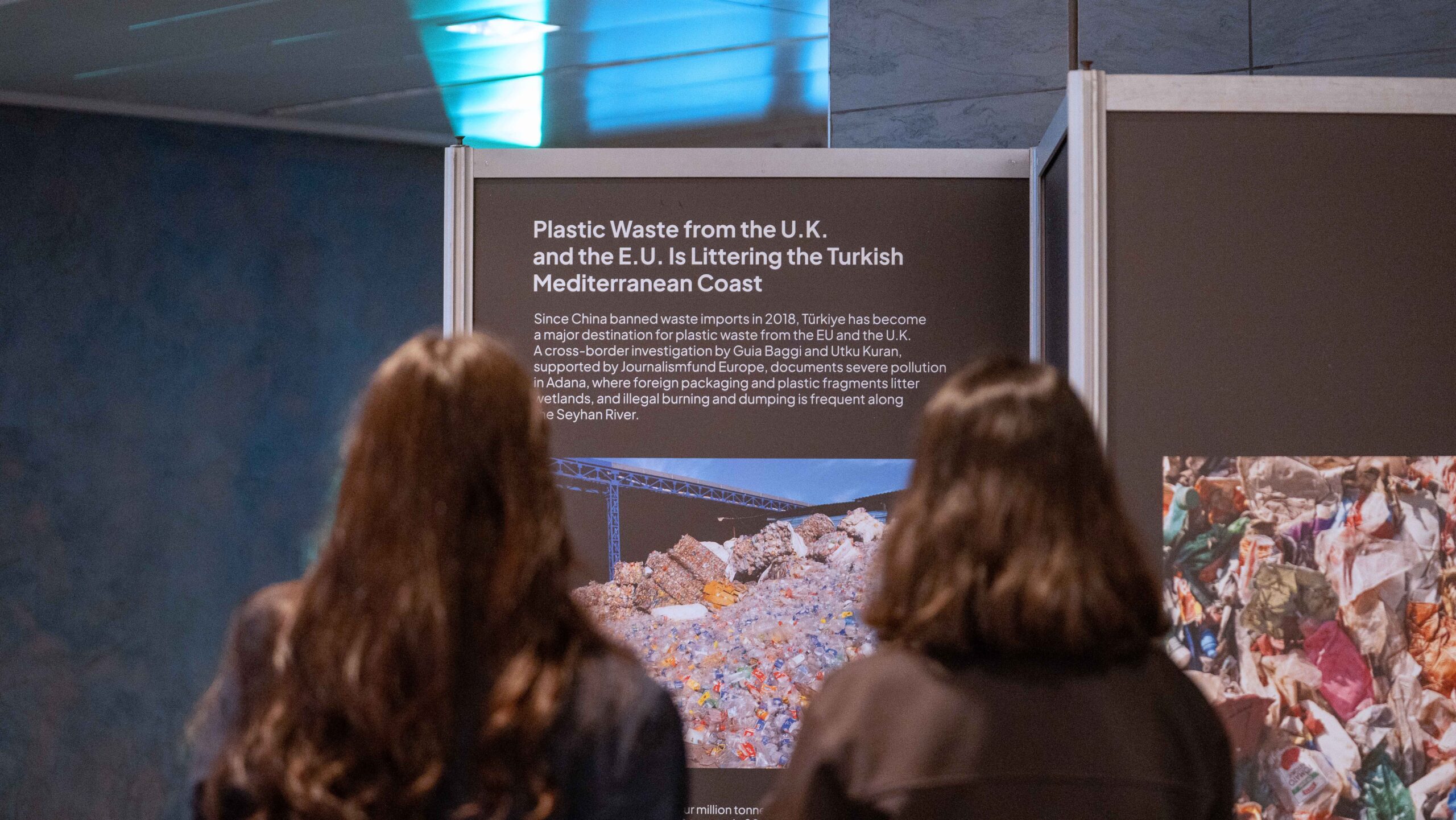
This year’s festival programme combined practical sessions, active discussions, interactive activities, panels, an all-day cinema programme, and the Eyeshot x Voices exhibition.
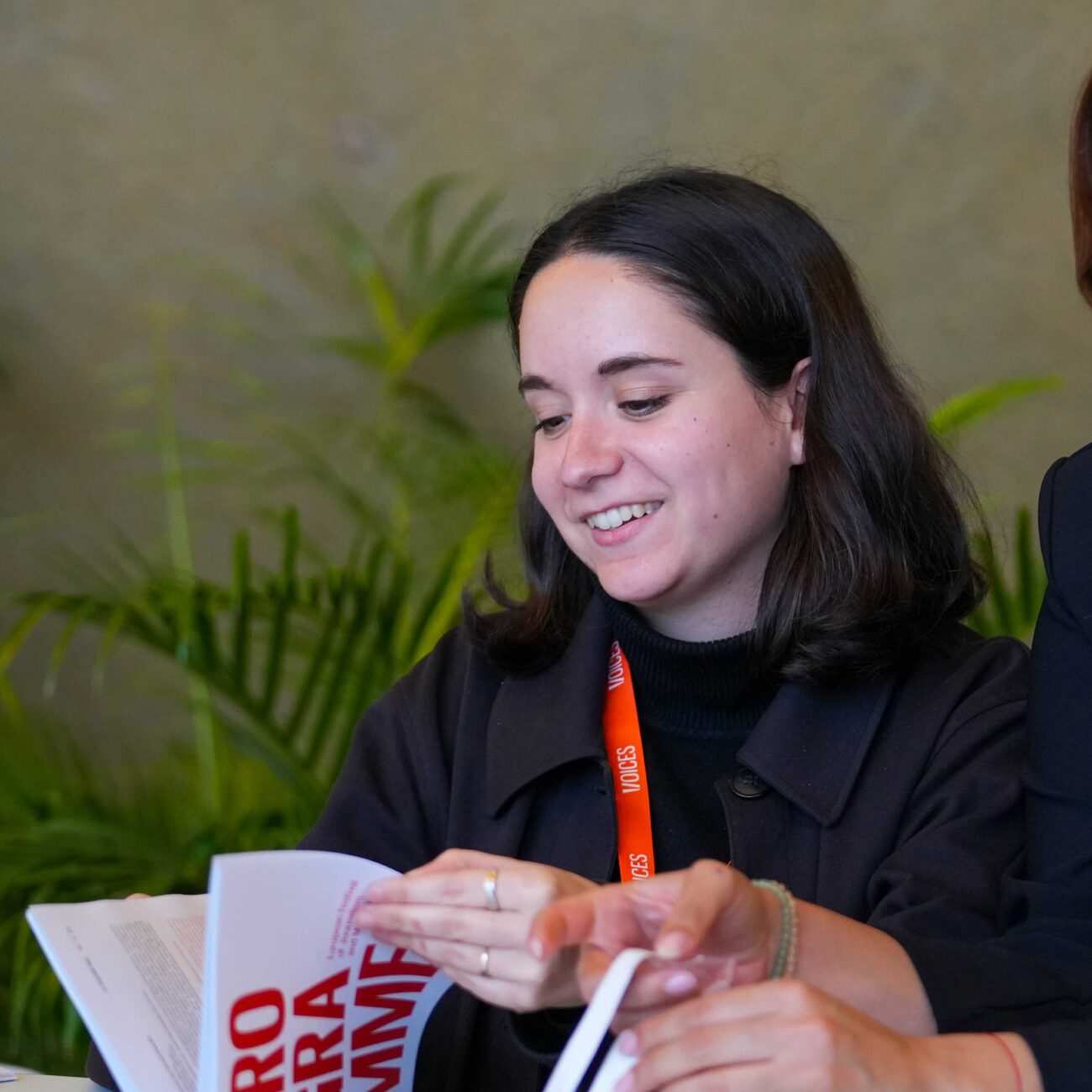
The workshop area featured sessions led by practitioners, equipping journalists, teachers and citizens with hands-on skills drawn from real-world experience. Topics included how to defend against spyware and surveillance, how to use AI tools creatively, how to engage classrooms in the AI era, and how to access funding as a journalist, among others.
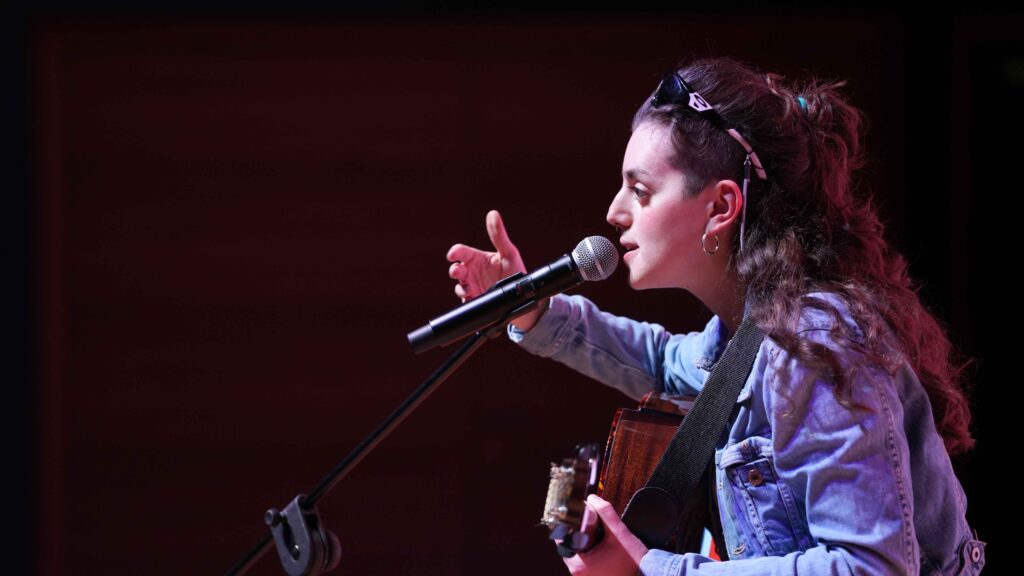
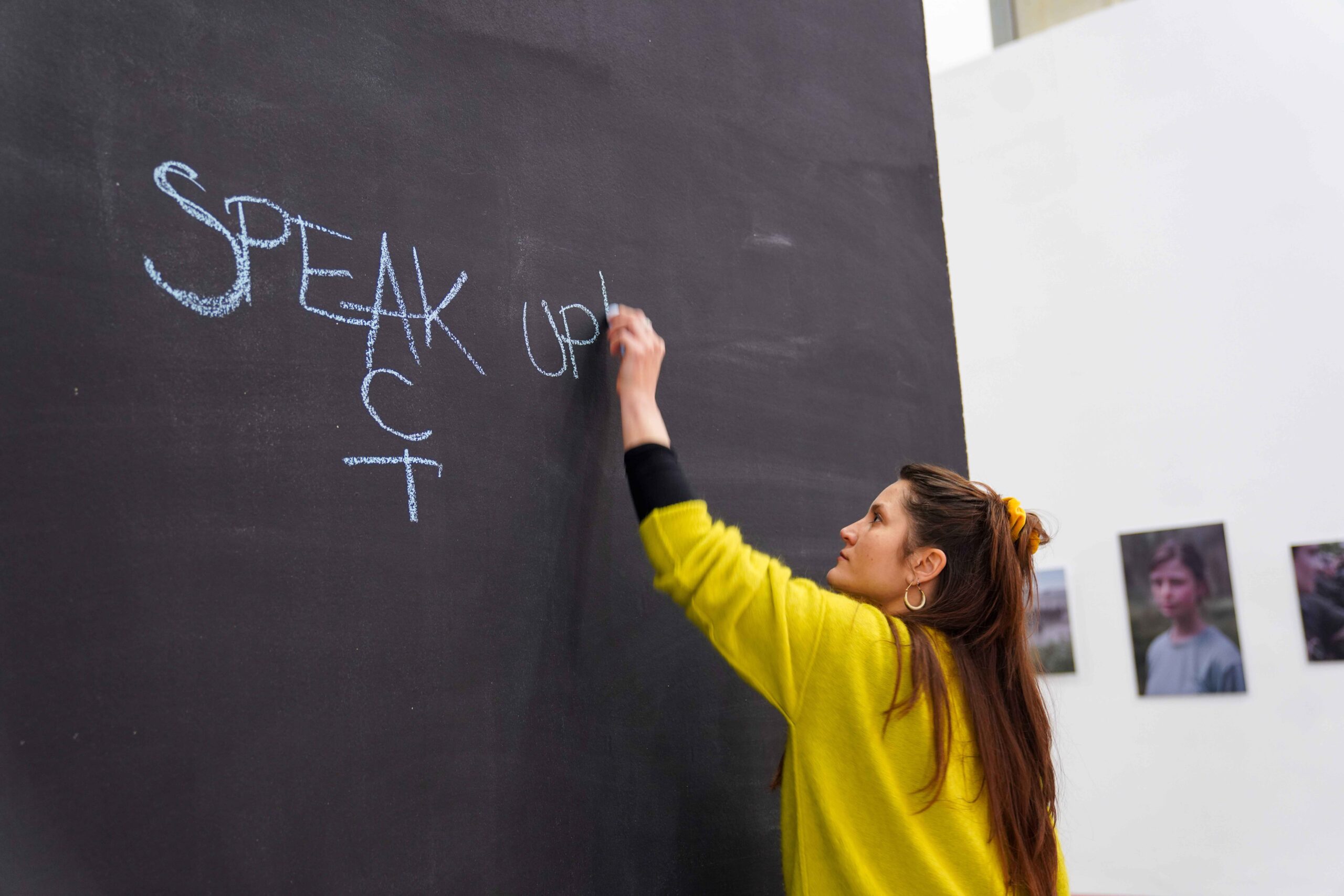
The Speakers’ Corner hosted short but dynamic sessions, where experts from fields connected to journalism and media freedom presented their projects and work. It offered an opportunity for dialogue and for discovering how practitioners are shaping the field.
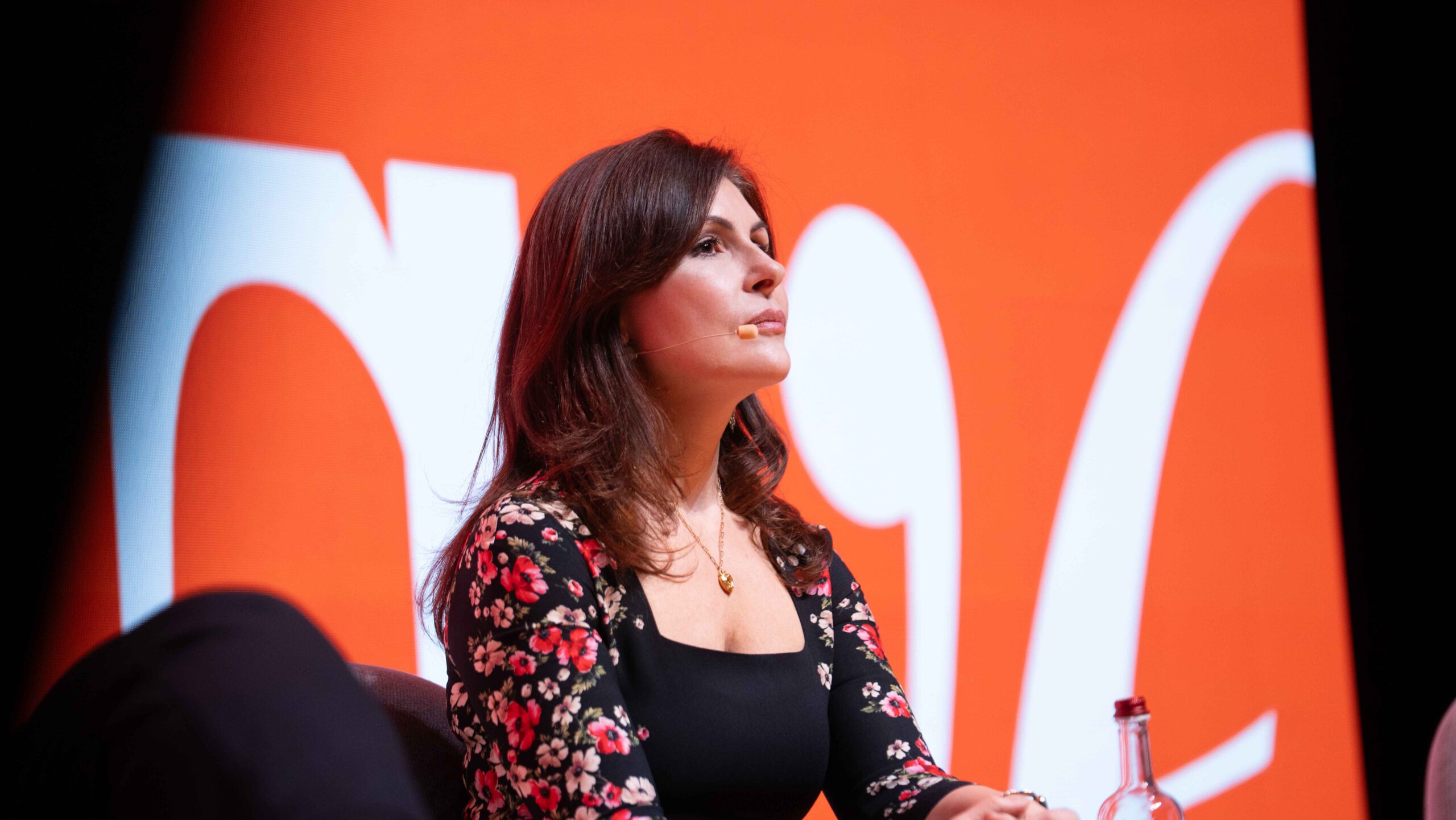
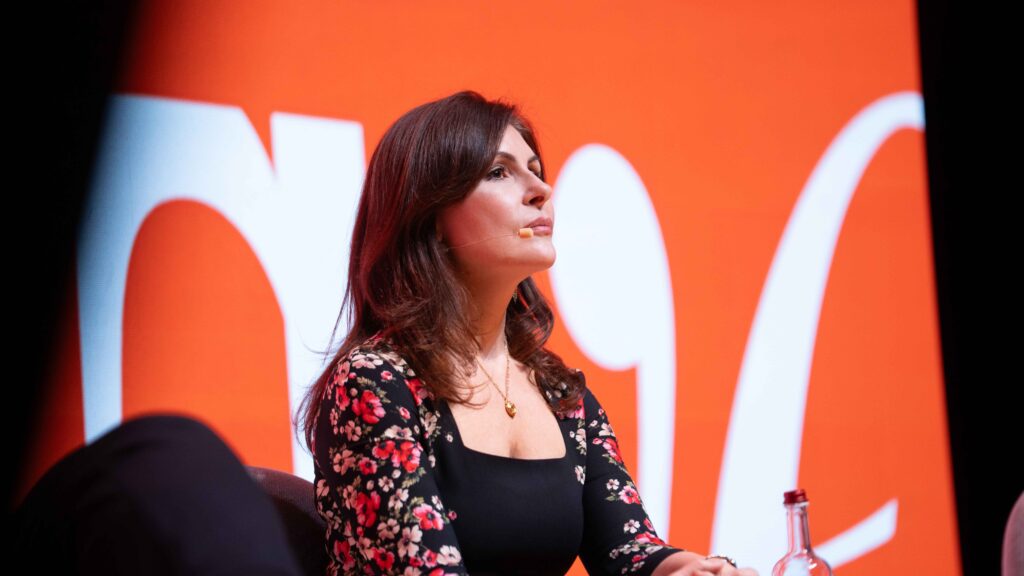
Sessions in the main hall formed the core of the festival, where discussions on the past, present and future of journalism took place. Topics included regulation, policy, best and worst practices, and much more.
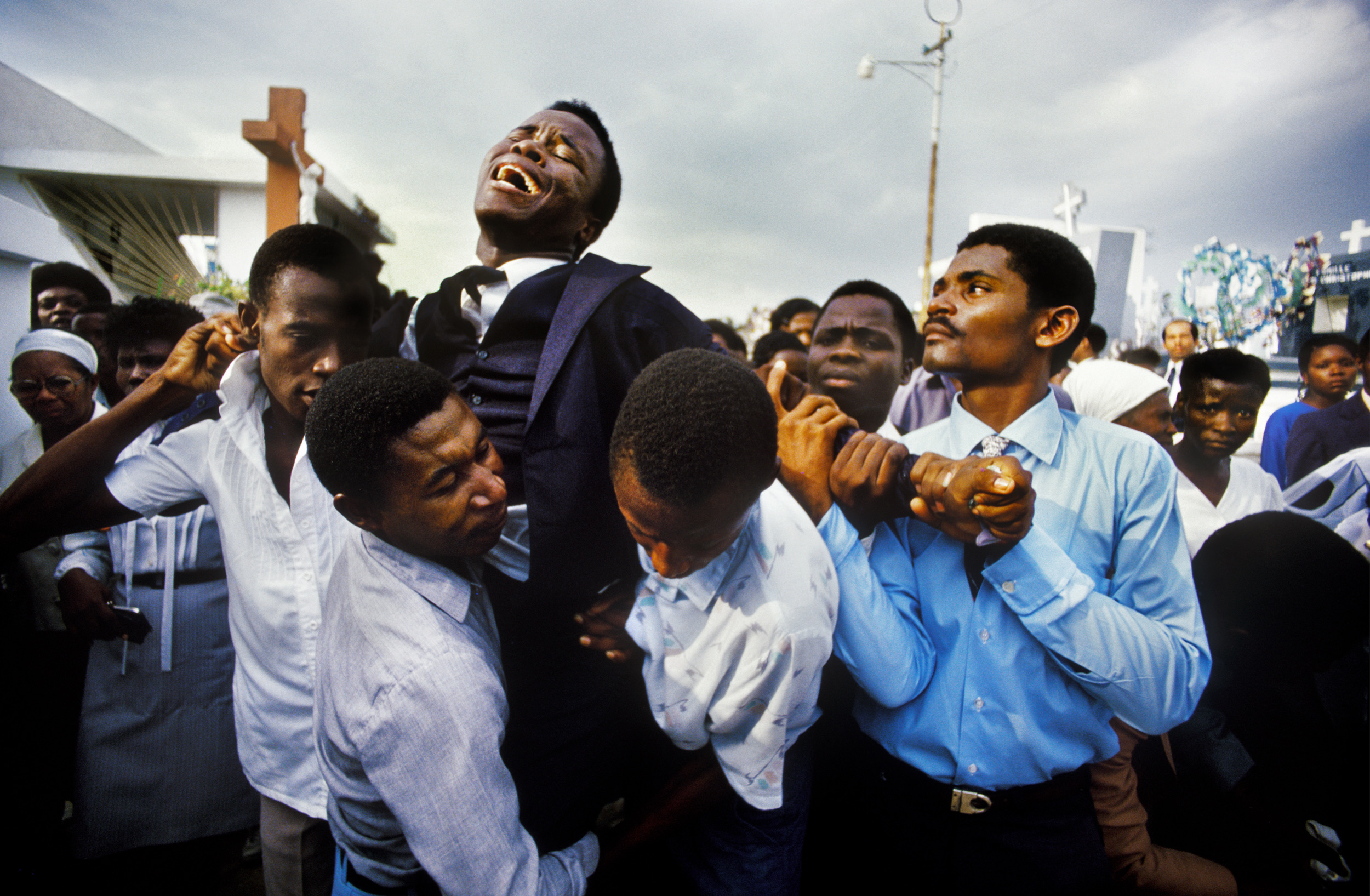
Discover the photojournalism exhibitions, a journey through powerful images that tell the stories behind today’s world.
Supported by leading press freedom organisations, the declaration warns that attacks on journalists threaten not only individual reporters but also the public’s right to access information and hold power to account.
It calls for independent investigations into crimes against journalists, stronger legal safeguards for media workers, and greater international cooperation to combat impunity. The declaration concludes with a message that resonated throughout the festival: protecting journalists means protecting democracy.
The initiative is supported by the Committee to Protect Journalists, the Daphne Caruana Galizia Foundation, the European Centre for Press and Media Freedom, the European Federation of Journalists, the International Press Institute, Reporters Without Borders, and the European Broadcasting Union.
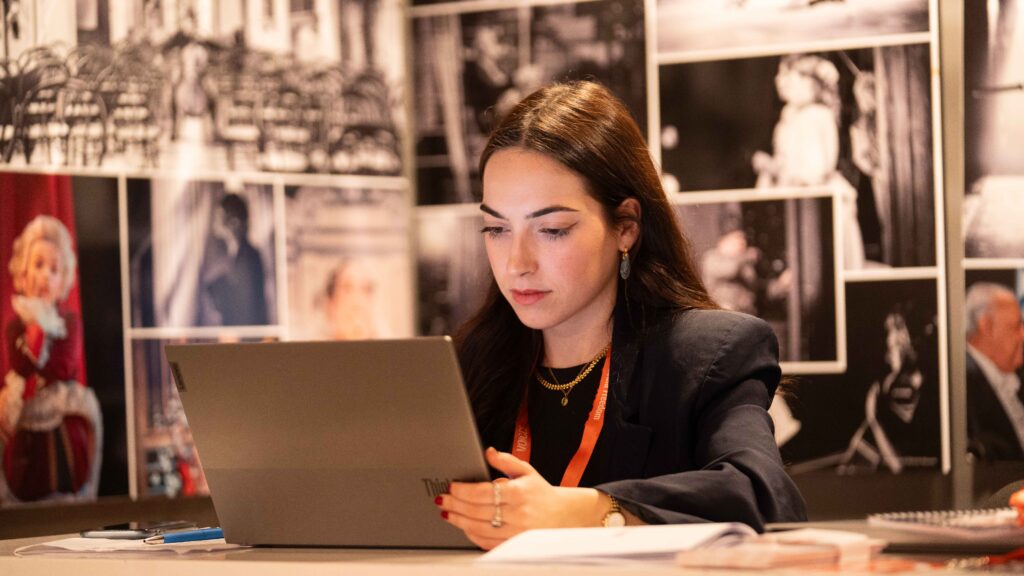
At the Maggio Musicale Fiorentino, more than 40 students from five journalism schools across three countries came together in a live, collaborative newsroom. Working alongside peers and professionals, they explored innovative approaches to reporting and storytelling, critically examined the role of emerging technologies, and reflected on the future of journalism. The initiative placed young journalists at the centre of the conversation, fostering creativity, accountability, and a strong commitment to the public interest.
Admin and logistics: Elisabetta Airaghi, Mustafa Kuleli, Marsida Nence, Iva Nenadic, Angela Ortenzio, Arianna Palomba, Elisabetta Spagnoli, Sofia Verza
Communications: Elena Coden, Giulia Giannasi, Marta Moreno
Concept, Graphic Design, Production: Irene Oddo
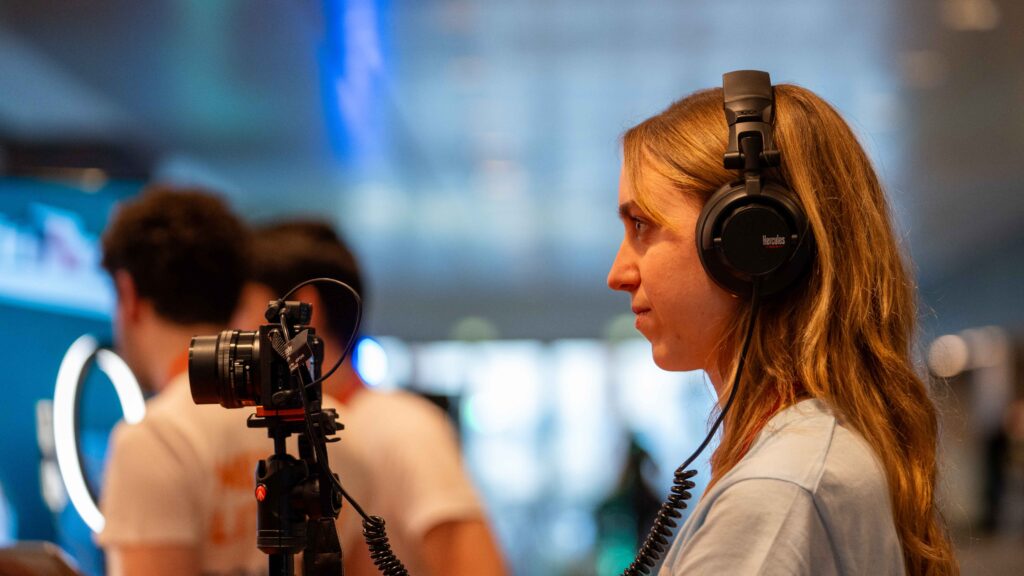
Video production: Gianluca Dolfi, Alessandro Magro, Cyril Nehme, Serena Panariti and Michele Pinto
Photo coverage: Giorgio Giamberini and Irene Oddo
Thanks to
Students and professors of Blanquerna School of Communication and International Relations at Ramon Llull University, Barcelona, Spain; Faculty of Media and Public Relations, University of Dubrovnik, Croatia; L’Istituto per la formazione al giornalismo di Urbino, Italy; Scuola di Giornalismo Lelio Basso, Rome, Italy; Scuola di Giornalismo, LUISS, Rome, Italy.
Special thanks to the EUI Press Office and all the collaborators who worked during the festival.
Supported by
With the patronage of
What particular personality that you admire would make you come to the festival even on a rainy day? Help us shape the next edition of Voices. We are all ears!
We use cookies to help personalise content and provide a better experience. By clicking Accept all, you agree to this, as outlined in our Cookie Policy. To change preferences or withdraw consent, please update your Cookie Preferences.